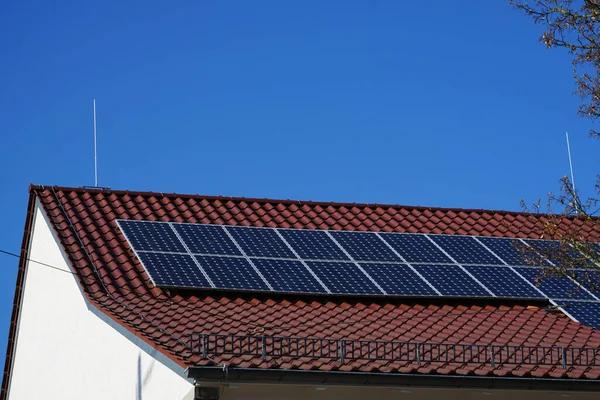
Solar energy installations require careful attention to specific factors that influence their long-term efficiency. The performance and durability of solar systems depend on several critical requirements during installation, which directly impact how effectively they convert sunlight into usable energy over time. One essential consideration is the quality and placement of solar panels. Panels must be installed in locations with optimal sun exposure, free from shading by trees, buildings, or other obstructions throughout the day. Even partial shading can significantly reduce output since many photovoltaic cells are connected in series, causing a drop in overall system performance if one cell is shaded.
Another crucial factor involves the angle and orientation of solar panels. Ideally, panels should face true south in the northern hemisphere or true north in the southern hemisphere to maximize sunlight capture year-round. The tilt angle needs adjustment based on geographic location to optimize seasonal sun exposure; a fixed angle close to find the answers installation site often yields good results for annual energy production. Improper angles can lead to reduced efficiency as panels may not receive direct sunlight during peak hours.
The structural integrity and mounting system also play vital roles in maintaining long-term efficiency. Installations must withstand local weather conditions such as wind loads, snow accumulation, and temperature fluctuations without damage or displacement. Secure mounting prevents misalignment over time due to environmental stressors while ensuring proper ventilation beneath panels helps avoid overheating that could degrade photovoltaic cells.
Electrical components like wiring and inverters require high-quality materials and professional installation standards to minimize losses through resistance or faulty connections. Proper sizing of cables reduces voltage drops that diminish power output before it reaches the inverter or battery storage systems. Inverter selection affects conversion efficiency from DC generated by panels into AC used by most electrical grids; choosing reliable models with high efficiency ratings ensures minimal energy loss during this process.
Maintenance accessibility is another important aspect affecting longevity and sustained performance. Easy access allows routine cleaning since dirt, dust, bird droppings, or snow buildup on panel surfaces can obstruct sunlight absorption considerably if left unattended for extended periods.
Lastly, adherence to local regulations including building codes and electrical safety standards guarantees installations meet minimum quality benchmarks designed for safe operation under various conditions.
In summary, achieving long-term efficient solar installations demands thoughtful planning around panel positioning, structural support durability, component quality, maintenance provisions, and regulatory compliance-all contributing factors that preserve system productivity throughout its operational lifespan.