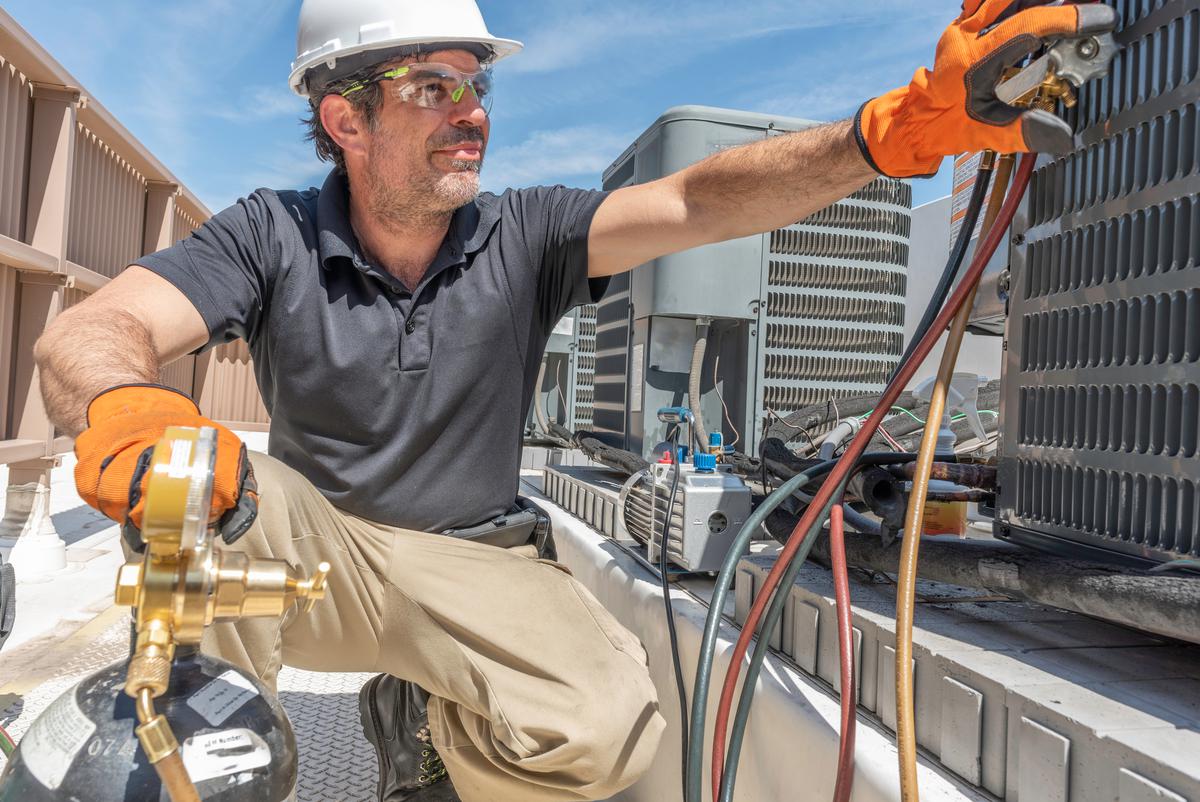
HVAC contractors play a vital role in enhancing energy efficiency within residential and commercial buildings by providing tailored solutions that reduce energy consumption and lower utility costs. These professionals assess existing heating, ventilation, and air conditioning systems to identify inefficiencies and recommend upgrades or replacements that improve overall performance. One common approach involves installing high-efficiency HVAC units designed to use less electricity while maintaining optimal temperature control. Modern systems often feature advanced compressors, variable-speed motors, and improved heat exchangers that significantly outperform older models in terms of energy conservation.
In addition to equipment upgrades, HVAC contractors focus on proper system sizing to ensure the unit matches the specific needs of the space it serves. Oversized or undersized systems can lead to unnecessary energy waste due to frequent cycling or inadequate heating and cooling. By conducting detailed load calculations based on factors such as building size, insulation levels, window placement, and occupant behavior, contractors can recommend appropriately sized units that operate efficiently throughout different seasons.
Ductwork inspection and sealing represent another critical service offered by HVAC professionals aimed at improving energy efficiency. Leaky ducts allow conditioned air to escape before reaching intended areas, causing increased workload for the system and higher energy bills. Contractors get more insights use specialized tools like duct blasters or infrared cameras to detect leaks or poorly insulated sections within duct networks. After identifying problem areas, they seal gaps with mastic or metal tape and add insulation where necessary to prevent thermal loss.
Programmable thermostats are widely promoted by HVAC experts as an effective way for building owners to manage their heating and cooling schedules intelligently. These devices enable users to set temperature adjustments automatically based on occupancy patterns or time of day without manual intervention. By reducing operation during unoccupied periods while maintaining comfort when needed most, programmable thermostats contribute substantially toward lowering overall energy usage.
Regular maintenance services provided by HVAC contractors also support long-term efficiency improvements. Routine tasks such as cleaning coils, replacing filters, lubricating moving parts, checking refrigerant levels, and calibrating controls keep equipment running smoothly at peak capacity while preventing unexpected breakdowns that could lead to excessive power consumption.
Some contractors integrate renewable technologies into their offerings by combining traditional HVAC systems with solar-powered components or geothermal heat pumps designed for minimal environmental impact alongside reduced operational expenses over time.
Ultimately, working with qualified HVAC contractors enables property owners not only to enjoy enhanced comfort but also achieve significant savings through customized energy-efficient solutions tailored precisely for their unique requirements.