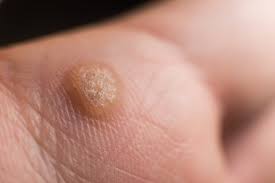
In 2026, the landscape of mole removal has seen significant advancements, offering a variety of effective treatment options tailored to individual needs. Moles, which are clusters of pigmented cells appearing as small brown spots on the skin, can be harmless but may sometimes necessitate removal due to cosmetic reasons or potential health risks. Understanding the best treatment options available in 2026 is crucial for making informed decisions.
One of the most popular methods continues to be laser mole removal. This technique has evolved with cutting-edge technology that allows for precision targeting and minimal discomfort. Lasers work by emitting intense light beams that break down mole cells without damaging surrounding tissue. The procedure is quick and typically requires little downtime, making it an attractive option for those seeking efficient results with minimal scarring.
Cryotherapy remains another viable choice in 2026 for removing moles. This method involves freezing the mole using liquid nitrogen, causing it to fall off naturally over time. Advances in cryotherapy equipment have enhanced its accuracy and effectiveness while reducing side effects such as blistering or discoloration post-treatment.
Surgical excision is still considered a gold standard for certain types of moles, particularly those suspected of being cancerous or atypical in nature. In this treating body warts procedure, a dermatologist surgically removes the mole along with some surrounding tissue to ensure complete eradication and prevent recurrence. While surgical excision might require stitches and result in minor scarring, it provides peace of mind through histological examination ensuring no malignant cells remain.
Radiofrequency ablation (RFA) has gained traction as an innovative approach combining precision and efficiency. RFA uses high-frequency radio waves to generate heat that destroys mole tissues at controlled depths beneath the skin surface without affecting nearby structures significantly; thus promoting quicker healing times compared with traditional methods like electrosurgery where electric currents directly contact tissues leading potentially longer recovery periods due increased collateral damage caused during operation itself!
Topical treatments have also advanced considerably by 2026 offering non-invasive alternatives especially suited individuals wary undergoing invasive procedures altogether! These include prescription creams containing agents designed target pigment-producing cells within moles gradually fading them away course several weeks months depending upon size depth location involved lesion(s). It’s important note though efficacy varies person person hence consultation qualified dermatologist essential before embarking any self-treatment regimen avoid complications arising from improper use products available market today!
Overall developments field dermatology mean more personalized approaches addressing specific concerns patients face when considering whether not remove their unwanted blemishes safely effectively possible given current technological capabilities accessible professionals worldwide alike!