Maintaining cleanliness in high-traffic commercial spaces is essential for creating a welcoming environment and ensuring the safety and health of occupants. These areas, which often experience heavy footfall, require professional cleaning strategies tailored to their specific needs. A systematic approach begins with understanding the unique challenges presented by the space, such as constant use, diverse types of dirt accumulation, and wear on surfaces. Effective cleaning in such environments demands both routine maintenance and periodic deep-cleaning procedures to address visible grime and hidden contaminants.
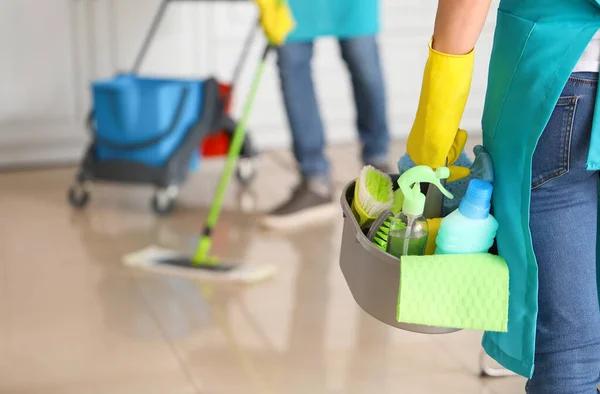
One fundamental strategy involves scheduling cleaning activities during off-peak hours to minimize disruption while maximizing efficiency. Early mornings or late evenings are ideal times when fewer people occupy the space, allowing cleaners to work thoroughly without interference. This timing also helps prevent recontamination shortly after cleaning has been completed. Utilizing advanced equipment designed for commercial settings enhances productivity; tools like industrial-grade vacuum cleaners, floor scrubbers, and steam cleaners deliver superior results compared to standard household devices.
Surface selection plays a crucial role in managing cleanliness over time. High-traffic areas benefit from durable materials that resist staining and wear while being easy to clean regularly. Floors made from polished concrete or vinyl tiles withstand constant use better than carpeted options prone to trapping dirt and allergens. For upholstery or seating within these spaces, stain-resistant fabrics reduce maintenance efforts while maintaining appearance.
Disinfection protocols must be integrated dig into it daily routines given the increased risk of pathogen transmission in crowded environments. Using EPA-approved disinfectants ensures effective elimination of bacteria and viruses on frequently touched surfaces such as door handles, elevator buttons, counters, and handrails. Attention should also be paid to air quality through proper ventilation systems that reduce airborne contaminants contributing to illness spread.
Staff training is another critical component of professional cleaning strategies for busy commercial locations. Well-trained personnel understand proper techniques for different surfaces and know how to operate specialized machinery safely and efficiently. They can identify problem areas requiring extra attention before issues escalate into costly repairs or health hazards.
Regular inspections complement ongoing efforts by highlighting overlooked zones or emerging concerns like mold growth or water damage under carpets or behind walls. Implementing a feedback system encourages communication between facility managers and cleaning teams so adjustments can be made based on observed conditions or tenant input.
In conclusion, successful maintenance of high-traffic commercial spaces relies on carefully planned schedules aligned with operational hours, investment in appropriate equipment suited for heavy-duty tasks, selection of resilient materials conducive to easy upkeep, rigorous disinfection practices targeting common touchpoints, comprehensive staff education focused on best practices alongside continuous monitoring through inspections-all working together cohesively create an environment that remains clean safe inviting despite constant use by large numbers of people daily.