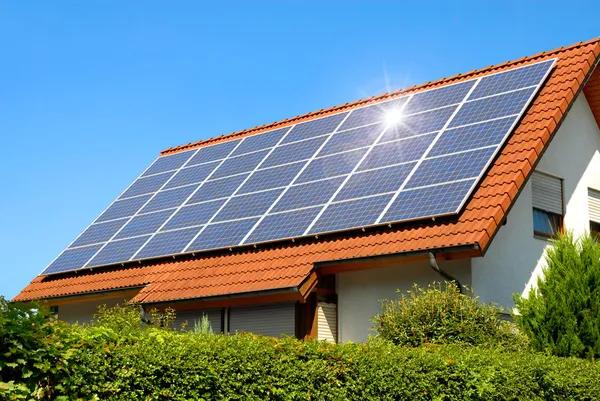
Solar panels are devices designed to convert sunlight into electricity, making them a popular choice for renewable energy generation. Their performance is closely linked to weather conditions, which can significantly influence the amount of energy they produce. Understanding how different weather patterns affect solar panel efficiency helps users optimize their systems and anticipate energy output throughout the year.
Sunlight intensity is the primary factor affecting solar panel performance. On clear, sunny days, panels receive maximum direct sunlight, allowing them to operate at peak efficiency. This results in higher electricity production compared to cloudy or overcast days when sunlight is diffused and less intense. Although solar panels still generate power under cloud cover, their output typically decreases by 10% to 25%, depending on cloud density and thickness.
Temperature also plays a crucial role in solar panel efficiency. Contrary to what might be expected, higher temperatures can reduce performance rather than improve it. Solar cells operate optimally within certain temperature ranges; excessive heat increases electrical resistance inside the cells, lowering voltage and overall power output. For this reason, solar panels often perform better on cool but sunny days than during hot summer afternoons with intense sunshine.
Rainy weather presents a mixed impact on solar panel functionality. While source rain clouds limit sunlight exposure and reduce immediate power generation, rainfall has beneficial effects as well. It naturally cleans dust and debris from the surface of the panels, maintaining optimal light absorption over time without manual cleaning efforts. This self-cleaning effect helps sustain consistent performance even after extended periods of dry weather.
Snowfall can temporarily hinder solar panel operation by covering surfaces with snow accumulation that blocks sunlight entirely until it melts or slides off. However, modern installations often consider tilt angles that facilitate snow shedding more quickly than flat setups would allow. Additionally, cold temperatures associated with snowy conditions may enhance electrical efficiency once panels are exposed again due to reduced thermal losses.
Wind generally does not directly affect photovoltaic conversion but contributes indirectly by cooling down panels during hot days through air circulation around their surfaces. This cooling effect helps maintain stable operating temperatures and prevents overheating-related efficiency drops.
In summary, while bright sunshine maximizes solar panel productivity, various weather factors such as cloud cover, temperature fluctuations, rainfall cleanliness benefits, snow coverage challenges, and wind cooling collectively influence overall system performance throughout different seasons and climates worldwide. Users should consider these elements when planning installations or estimating expected energy yields from photovoltaic technology in diverse environmental settings.